The National Association of Pretrial Services Agencies (NAPSA) is the national professional association for the pretrial release and pretrial diversion fields. Founded in 1973, the association offers certification exams for individual professionals and an accreditation process for pretrial programs, and convenes an annual conference and training institute.
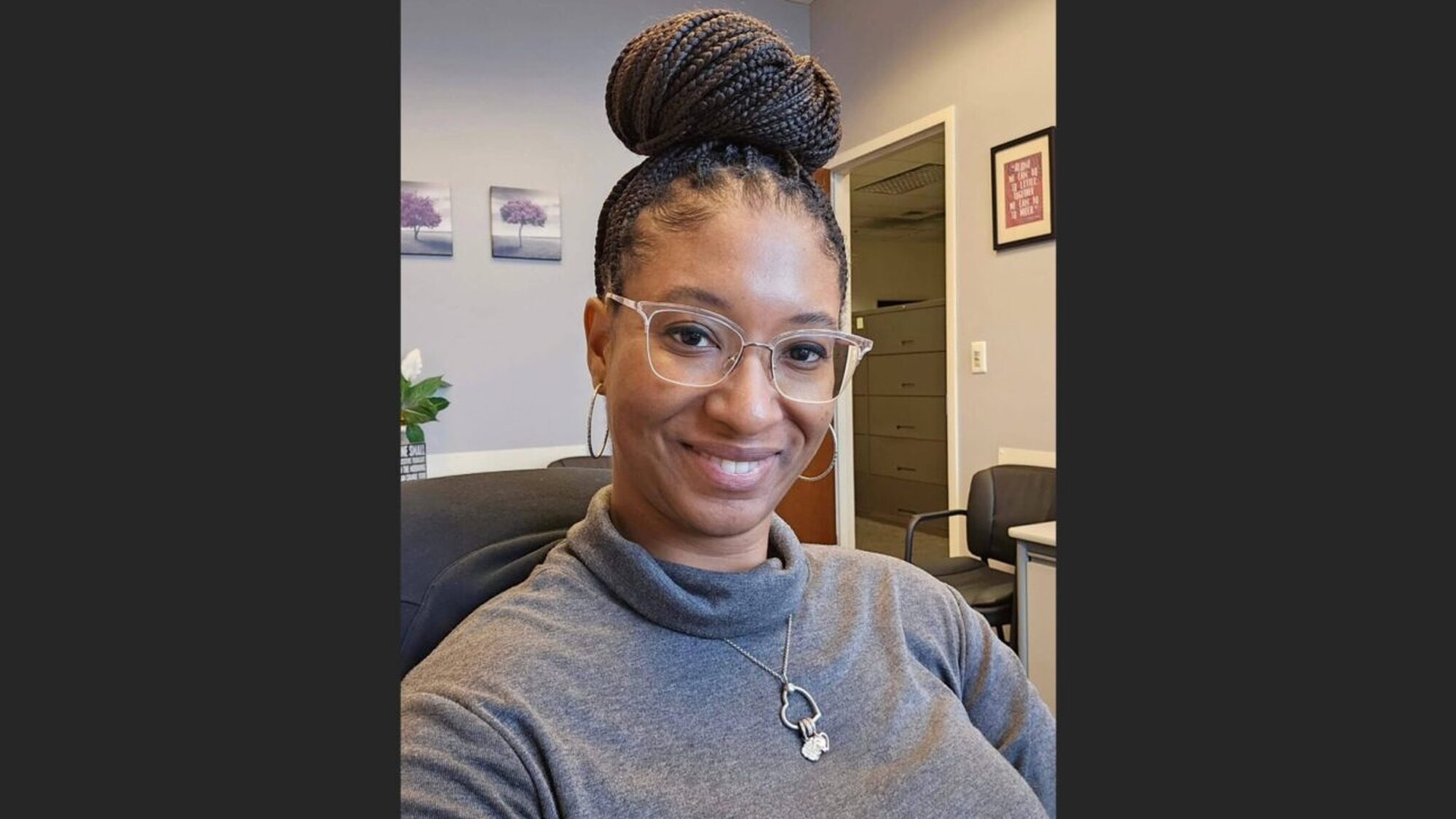
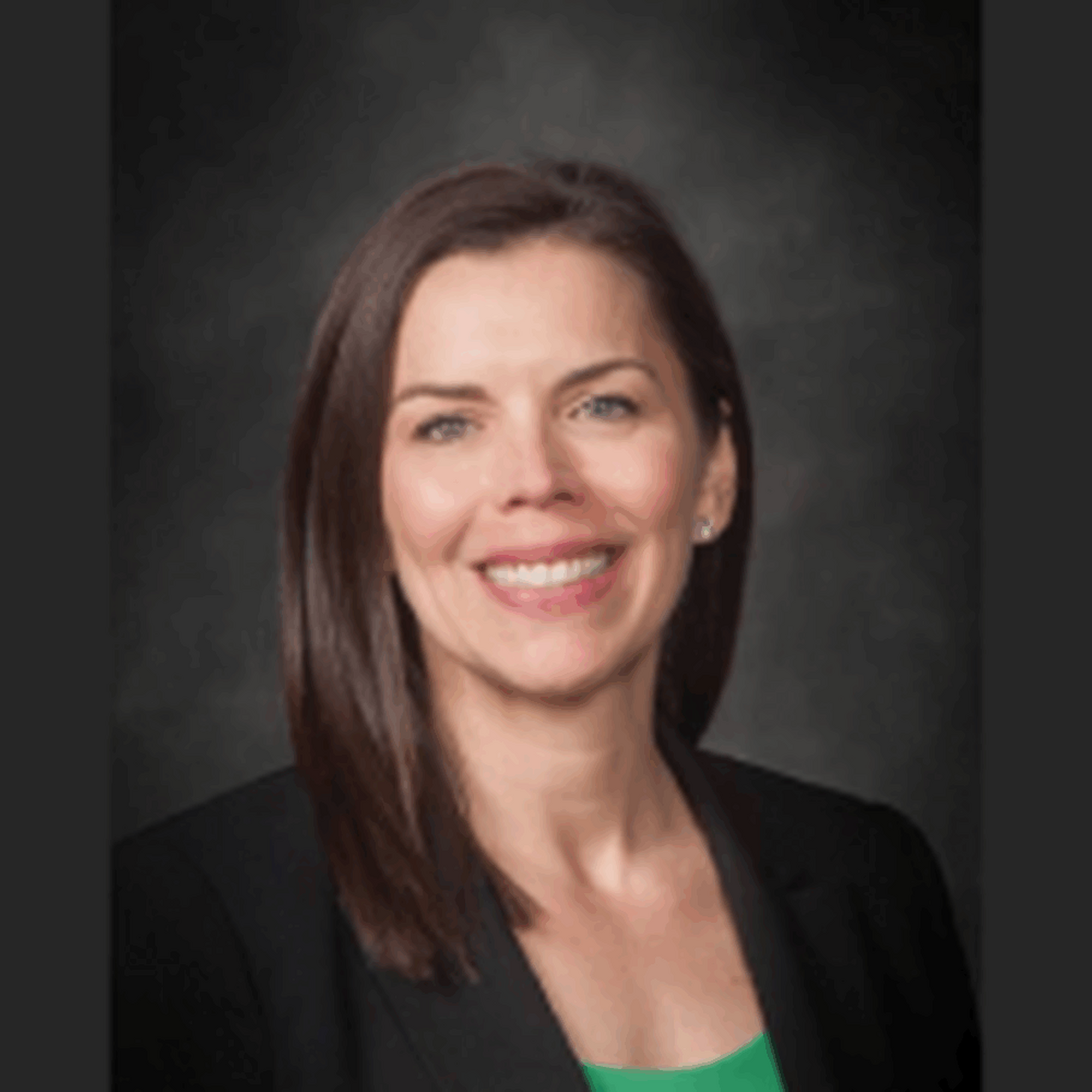
In August 2024, Wendy Venvertloh was hired as NAPSA’s executive director. APPR spoke with Ms. Venvertloh about her background, the state of the pretrial field, and the future of the organization. The interview was edited and condensed.
APPR: Can you tell us about the National Association of Pretrial Services Agencies and what it does?
Wendy Venvertloh: NAPSA is a leader in pretrial services within the United States, and it is an organization that is defining and shaping legal- and evidence-based pretrial practices. We provide education and technical assistance on pretrial standards and practices to help improve pretrial systems nationwide.
For example, someone who works in the pretrial field might reach out, and NAPSA will help them improve their system and implement new programming. We are always trying to meet folks where they are and see how our organization can support them to do that—whether it’s a big or small pretrial services agency, an individual pretrial services officer, judges, attorneys, or other pretrial stakeholders. Additionally, we offer a pretrial services professional certification, which requires demonstrating a baseline level of knowledge in the background, history, and fundamental concepts of pretrial justice, and is valuable for starting a successful career as a pretrial officer.
APPR: How did you become interested in working in pretrial services?
Venvertloh: I started my career as a probation officer in rural Illinois, where I’ve lived my whole life. I was a probation officer for about 15 years and then was promoted to be the Director of Court Services in Adams County, Illinois, which meant I managed adult and juvenile probation, the juvenile detention center, and the pretrial program, which I helped start. I was very lucky to have the bosses I had. They were extremely focused on evidence-based practices and constantly pushed our team to understand what the research says so we could best help people while keeping our community safe. They also instilled the message that it is essential to lead with heart, compassion, and empathy.
Pretrial services founded in legal- and evidence-based practices and pretrial reform had been increasing in Illinois, and in April 2020, the Illinois Supreme Court Commission on Pretrial Practices released its Final Report. I knew I wanted to be part of the evolution of pretrial services in Illinois, so I took a position as the Pretrial Administrator for the Administrative Office of the Illinois Courts in July 2020. In that role, I was the primary liaison for the Illinois Supreme Court Pretrial Implementation Task Force, working with Judge Robbin Stuckert and with all branches of government to implement the recommendations contained in the Final Report.
APPR: Illinois has played a pathbreaking role in the pretrial field. Can you share more about the Pretrial Fairness Act?
Venvertloh: In 2021, the Illinois legislature passed the Pretrial Fairness Act, or PFA, making the state the first to completely eliminate money as a condition of pretrial release. The momentum was there, and we all knew change was coming to Illinois, and being a part of that was exciting, scary, and difficult, yet fulfilling. During that time, there were opponents and proponents who were vehemently opposed to one another. This was also taking place during an election year, which increased anxiety and negative rhetoric. However, once the election was over, we saw very positive things emerge.
The stakeholders working in the pretrial system quickly came around to the idea that money is absolutely not the best way for this system to operate. I heard people saying, “I never thought it was right that people remained in jail because they didn’t have a hundred dollars, but a wealthy person who was charged with a heinous crime could get out because they had $500,000.” It was great to see that a majority could agree money was not the right answer.
Implementation of the PFA went more smoothly than expected, and since the rollout, the opposing viewpoints have quieted.
APPR: What was it like working for the state during this pivotal moment?
Venvertloh: Looking back on it, there were definitely very hard days during this period, as I’m sure there were in New Mexico, New Jersey, New York, and the other places that have implemented pretrial reform recently. But one of the key pieces was having all the right people at the table. Even though we didn’t always agree, we made sure the voices that needed to be in the room were in the room and were committed to collaboration to reach the best resolution.
We also had to consistently remind ourselves to maintain our own personal integrity, maintain the high road, and continue doing the next right thing.
APPR: The NAPSA Standards on Pretrial Release have recently been updated. What has changed in the Standards, and how do those updates reflect the direction of NAPSA and the pretrial field?
Note: Download the revised NAPSA Standards here.
Venvertloh: The standards have been updated to reflect new research, new laws, and new legal findings. The standards also include language to reflect the evolving pretrial field and world. For example, they are now more people-centered. Rather than using the word defendant, the standards use the word individual or person. The updates also remove the word risk whenever possible. We’ve realized this word can create a misconception among the public that people pose greater risks to public safety than they actually do. We know that the vast majority of people will be successful during pretrial.
Finally, these standards address the changing landscape we’ve seen following the COVID-19 pandemic. The pandemic forced many people to work from home; there were often no in-person court hearings, and pretrial service agencies had virtual contacts with folks. The research has shown us that outcomes were still positive, and the rate of pretrial success remained the same. We hope the updated NAPSA Standards will continue to inform the field.
APPR: What would you say to people early in their pretrial services career?
Venvertloh: It is essential to stay the course and know that incremental changes are how big changes happen. Throughout my career, I have always tried to ask myself what is it the person or situation before me needs to be successful? What is the next right thing I can do to make a positive impact? That is how big changes happen. We’ve seen these amazing changes in Illinois all because different pretrial professionals said, “This is important.” It was these incremental changes that led to wider change.
APPR: What is your vision for the future of NAPSA and the pretrial field?
Venvertloh: I am more excited and motivated than ever. NAPSA has now been around for 51 years, and we’re very proud of that. The organization saw great growth under my predecessor, Jim Sawyer, and I hope to continue that. I have a lot of fire in me right now, and I think the Board does as well. I started this role in August, so right now, I’m trying to listen and understand what the field needs and how NAPSA can assist with that. I am also inspired by the other organizations in the field and the many states that are on the precipice of following Illinois’ lead and changing their own pretrial laws. It’s a really exciting place to be.
“I am also inspired by the other organizations in the field and the many states that are on the precipice of following Illinois’ lead and changing their own pretrial laws.”
Author Bio
Julia Dionne is a communications strategist based in San Francisco. She is committed to using storytelling to build a more resilient and just world.